
Skills alone do not create change. Context does.
Without the right environment, even the most advanced training fades over time. SWASYA Solutions designs Capability Building and Process Activation programs for organizations that have already built the cultural foundation for safety and are ready to embed—not just learn. These programs are not routine classroom trainings; they are structured interventions offered selectively, based on an organization’s readiness and maturity. We step in when leadership engagement, system stability, and openness to application are visible—so that learning turns into action, and action turns into habit.
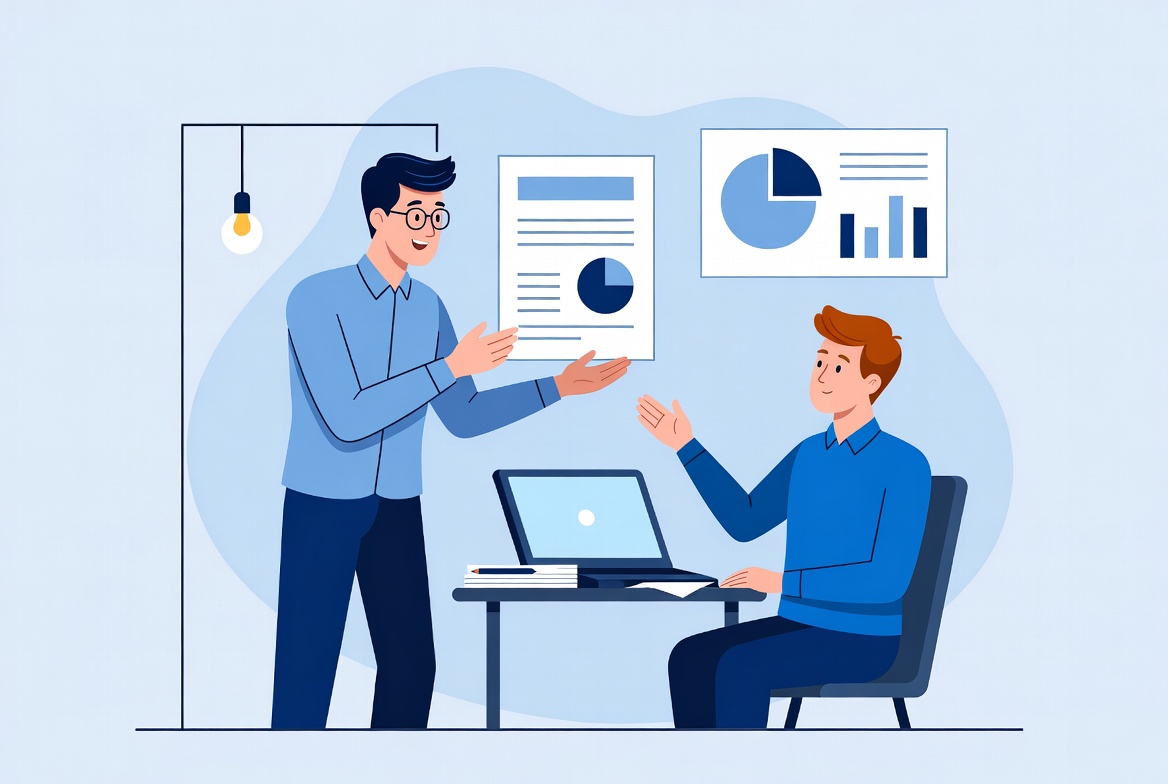
Our approach goes beyond knowledge transfer. We design experiential learning journeys that connect technical excellence with leadership behavior and team practices. Each capability lab is immersive, case-based, and tied to your ongoing safety transformation journey. Every program is followed by focused coaching and hand-holding to ensure the tools are used correctly in real work and embedded into governance, supervision, and day-to-day decision-making.
Each capability lab is tailored to your context, ensuring that concepts are directly applied to your assets, teams, and systems. Training durations vary from one to three days, each followed by structured coaching and hand-holding. This sustained engagement ensures that new methods move beyond the classroom and become integrated into operational routines and leadership practices.
At SWASYA, true capability building is an activation process, not an event. Done well, it reinforces and amplifies cultural change, turning insight into habit and systems into living practices. The result is a workforce that not only understands safety but lives it—consistently, confidently, and collectively.

Our Core Capability Labs
Each of these capability labs builds both technical proficiency and behavioral ownership—bridging structure and people practices to create lasting capability.
- iSEE (Interactions for Safety Encouragement and Engagement): A practical approach that turns everyday conversations into proactive, positive safety actions. Unlike traditional behavior-based safety (BBS) programs that depend on observation checklists, iSEE uses dialogue and reinforcement to drive safety ownership and culture change.
- Incident Investigation for Learning: A structured, system-focused method that shifts investigation from fault-finding to organizational learning. It helps teams identify underlying causes, strengthen systems, and prevent recurrence.
- Bowtie Methodology: A simple yet powerful visual tool for mapping hazards, threats, and safeguards in one integrated diagram—helping teams differentiate proactive prevention from reactive mitigation.
- OREOS Framework (Operational Risk Evaluation and Oversight System): A structured approach to operational risk evaluation and oversight, used to assess and prioritize risks across processes and functions.
- STOESSEL Criticality Analysis (Systematic Tool for Equipment and System Safety Evaluation and Logic): Supports risk-based prioritization by mapping system and equipment criticality to focus resources where they matter most.
- LOPA (Layer of Protection Analysis): A quantitative method for evaluating independent protection layers and verifying that safeguards meet required risk reduction levels.
Each capability lab is tailored to your context, ensuring that concepts are directly applied to your assets, teams, and systems. Training durations vary from one to three days, each followed by structured coaching and hand-holding. This sustained engagement ensures that new methods move beyond the classroom and become integrated into operational routines and leadership practices.
At SWASYA, true capability building is an activation process, not an event. Done well, it reinforces and amplifies cultural change, turning insight into habit and systems into living practices. The result is a workforce that not only understands safety but lives it—consistently, confidently, and collectively.