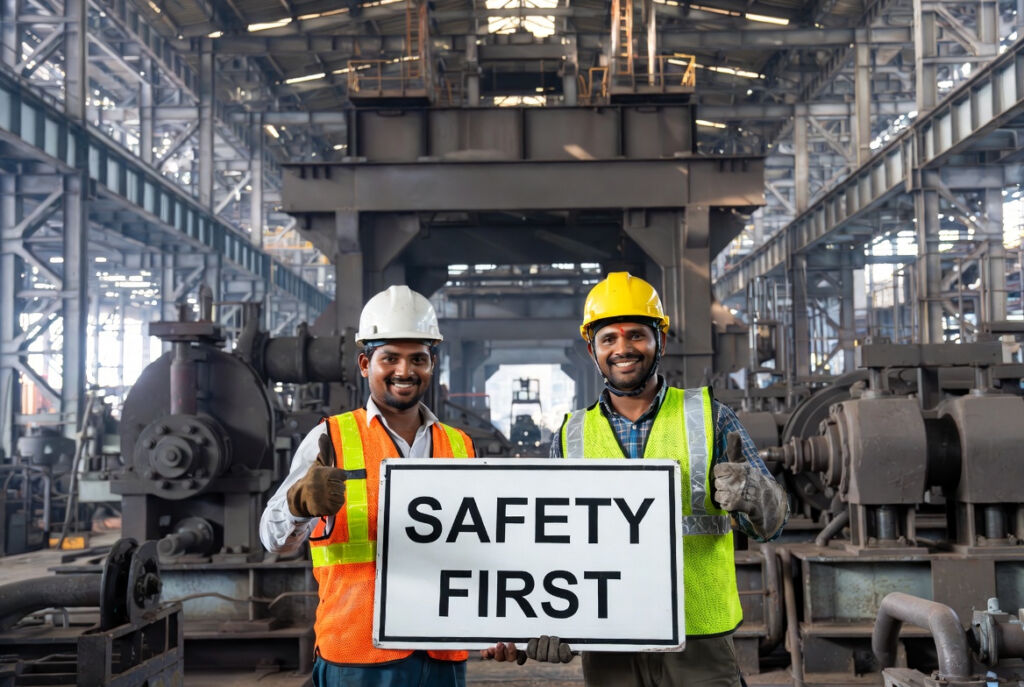
In today’s high-stakes, fast-paced world of business, we can no longer afford to treat safety as a compliance checkbox. Whether you’re a manufacturing giant, a logistics enterprise, or a healthcare provider, safety must be more than just a set of rules or training sessions. It must be a mindset, a shared value, and most importantly, a culture. This is where Safety Culture Transformation becomes not just relevant, but essential.
Understanding Safety Culture Transformation
At its core, Safety Culture Transformation is the deliberate and systemic process of evolving our organization’s mindset, behaviors, values, and practices around safety. It’s about shifting from a reactive approach (responding to incidents) to a proactive, people-driven model where safety becomes a natural part of how work is done.
We call it a “transformation” because it goes beyond surface-level interventions. It doesn’t just add more training or tighten compliance. It fundamentally changes how we think about safety, how our leaders behave, and how our systems support those behaviors.

Why It Matters More Than Ever
Global statistics on workplace injuries and fatalities are alarming. Behind every number is a story of lost potential, personal trauma, and organizational loss. While many companies invest in safety training, audits, and compliance processes, these often fail to create lasting behavioral change.
Organizations with a strong safety culture:
- Experience fewer accidents and near-misses
- Have higher employee engagement
- See improved operational efficiency
- Build trust and accountability across teams
On the other hand, weak safety cultures result in recurring incidents, poor morale, and reputational damage.
The Key Elements of a Safety Culture Transformation
- Leadership Commitment: Culture begins at the top. Our leaders must not only talk about safety but consistently model it through their actions. When employees see safety being prioritized at the leadership level, it cascades down.
- Employee Involvement: Transformation can’t be imposed; it must be co-created. Our employees need to feel empowered to speak up, report hazards, and offer suggestions without fear of retaliation.
- Psychological Safety: For a culture of safety to thrive, our people must feel safe to express concerns, admit mistakes, and ask questions. This requires a workplace grounded in trust.
- Systems and Processes: It’s essential that we align our systems (e.g., reporting, monitoring, incentives) with the desired safety culture. Outdated or punitive systems often undermine transformation efforts.
- Ongoing Learning and Reflection: Culture is dynamic. We need feedback loops, learning reviews, and opportunities to reflect and grow from both successes and failures.
The Key Elements of a Safety Culture Transformation
At SWASYA Solutions, we specialize in enabling Safety Culture Transformation. Alongside our work in organizational development (OD) and HSE (Health, Safety, Environment) Strategy, we take a uniquely holistic and collaborative approach to culture change.
Our Safety Culture Transformation Journey isn’t a one-size-fits-all intervention. Over the course of 2–3 years, we work closely with you to:
- Understand your organization’s dynamics
- Identify root causes of unsafe behaviors
- Equip your leaders to become culture champions
- Engage every layer of your organization in co-creating sustainable safety practices
What sets us apart is our belief in building ownership. Our name, derived from Sanskrit (स्वास्य), means “self-owned, safe, and sound.” We don’t “fix” organizations; we enable them to transform themselves.
Real Impact, Real Change
Organizations we partner with report not only improved safety metrics but also a tangible shift in workplace energy. People become more engaged, leaders more authentic, and the overall system more resilient and adaptive.
Whether it’s reducing lost-time incidents, strengthening compliance, or enhancing team cohesion, the benefits of transforming your safety culture ripple far beyond the factory floor or corporate office. They become part of your brand, your identity, and your long-term legacy.
Conclusion: From Compliance to Culture
Safety culture transformation is not a luxury—it’s a necessity for organizations that care about their people and their future. It’s about shifting from doing safety to being safe.
If you’re ready to go beyond the tick-box approach and build a culture that lasts, we at SWASYA Solutions are here to guide your journey.
Contact us to explore how our tailored transformation journeys are helping organizations across industries evolve into safer, stronger, and more sustainable systems.